Treatments
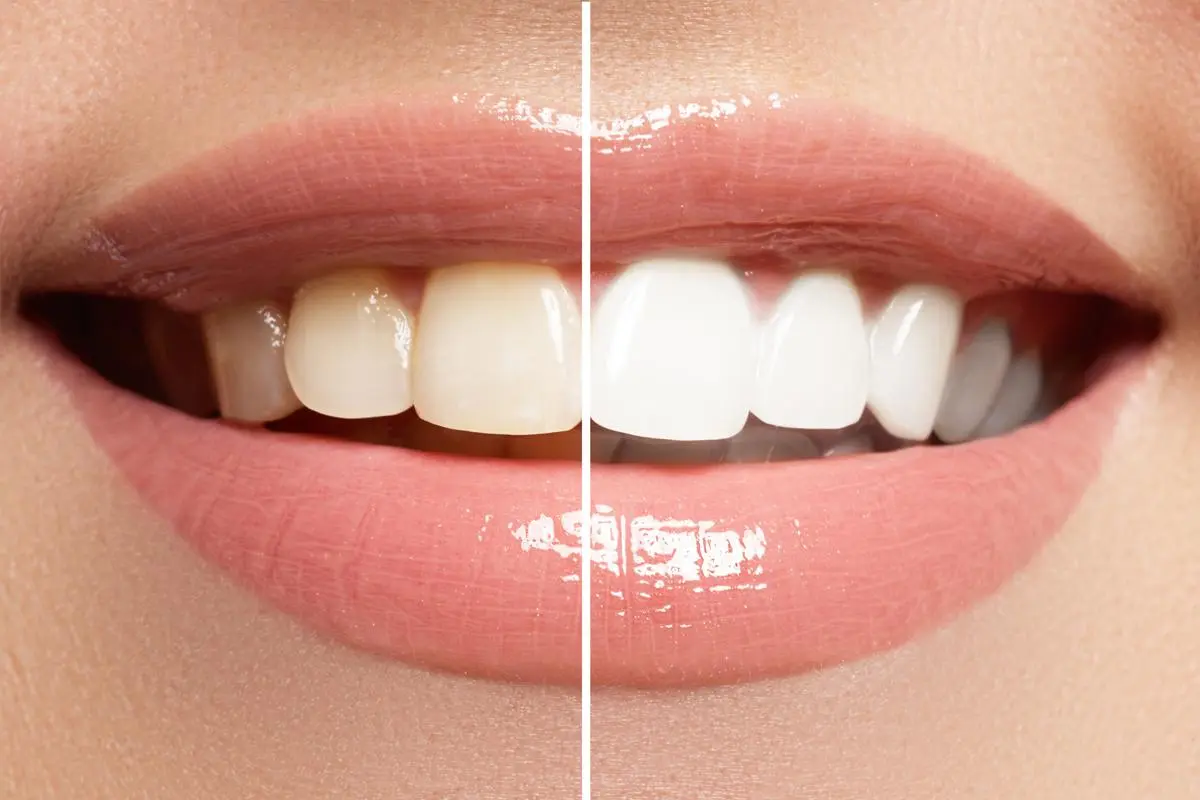
Thin ceramic shells bonded to the front of the teeth to change shape, shade and alignment with minimal preparation.
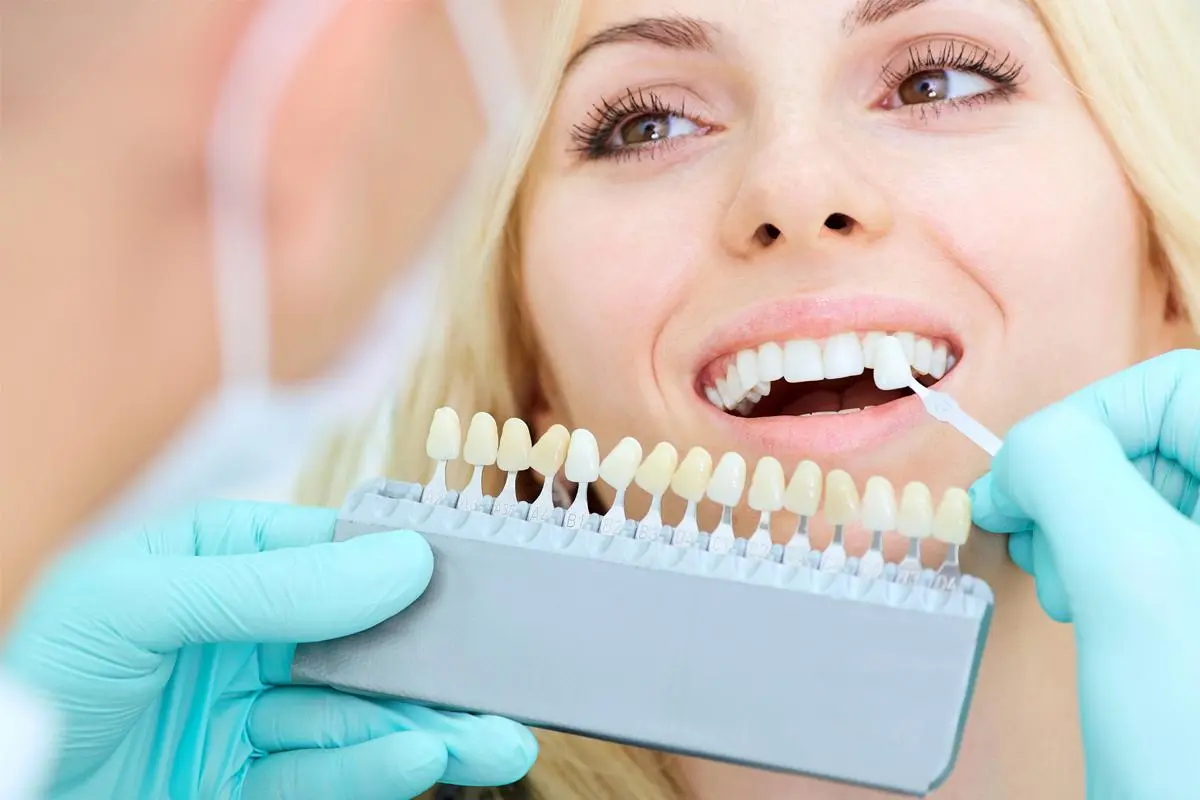
A laminate veneer is a thin layer of ceramic bonded to the visible surface of a front tooth. Because it only covers the front, far less tooth is removed than for a full crown — in some cases almost none at all.
Not ready to book? Chat with our team on WhatsApp
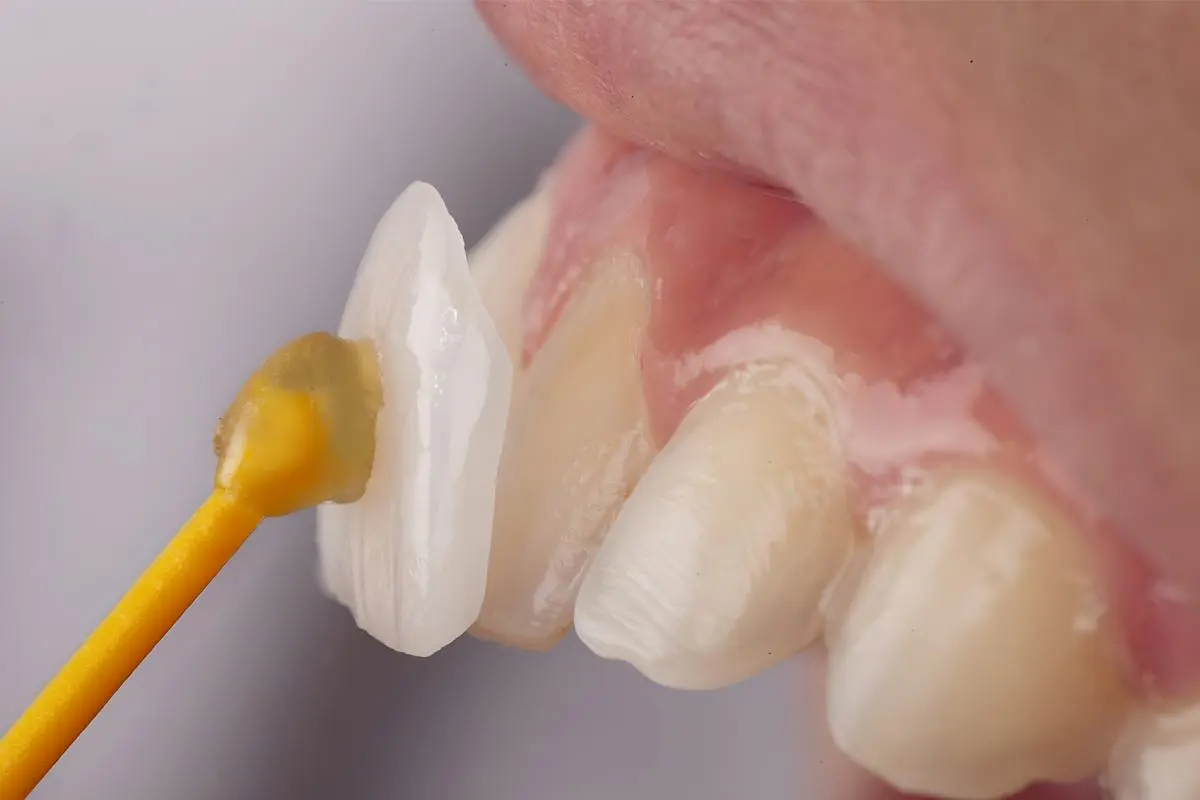
Veneers change shape, shade, length and the appearance of small gaps or mild crowding. They do not move teeth, and they are not a substitute for orthodontics when the underlying position is significantly off.
Photographs, a digital scan and a smile design. Bite and any grinding habit are assessed, because both affect whether veneers are appropriate.
The planned shape is placed over your own teeth so you can see it before any preparation. Changes are made at this stage.
Only the amount of enamel required is removed — often 0.3–0.7 mm — and an impression or a digital scan is taken. Temporary veneers are fitted.
The ceramics are tried in with a trial paste to confirm the shade, then bonded and polished.
No. Veneers require far less preparation than crowns, and where the design allows, a no-preparation veneer is possible. The mock-up shows how much is actually needed.
A well-bonded veneer on enamel is very stable. Debonding is usually related to heavy grinding or trauma, and a debonded veneer can often be re-bonded.
Glazed ceramic does not stain the way composite does. The bonding line at the gum can pick up stain over years, which polishing addresses.
This page is general information, not a diagnosis. Treatment planning is only possible after a clinical examination and radiographs at the clinic.

Sent via WhatsApp.
By clicking Send, your information will be converted into a WhatsApp message.
Your personal data is used solely for appointment purposes (GDPR/KVKK).
 Get Directions