Treatments
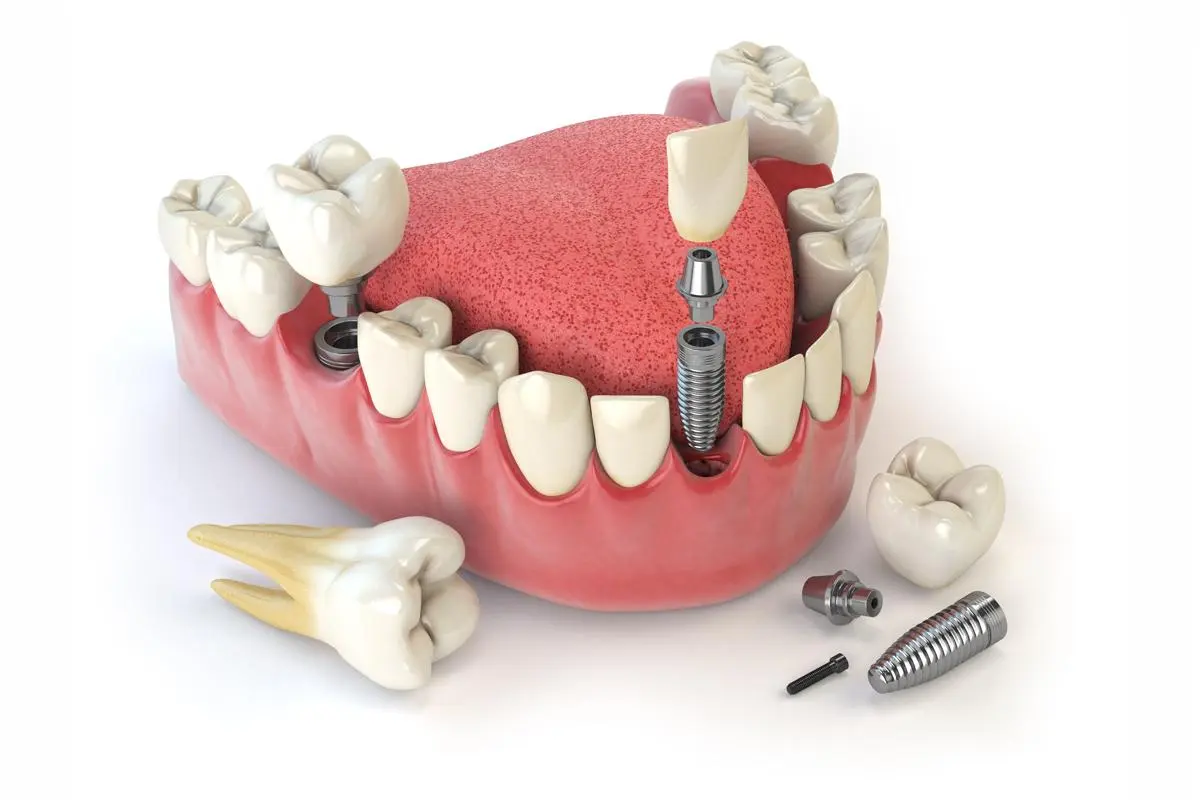
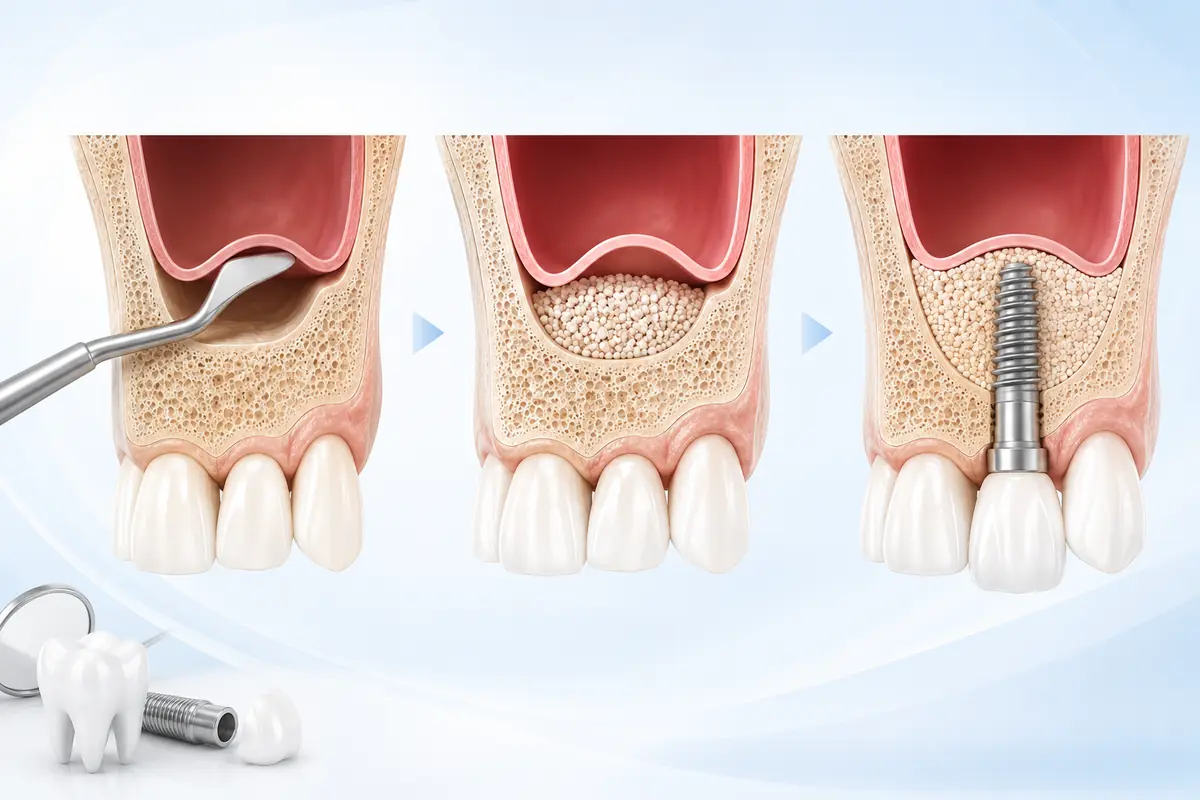
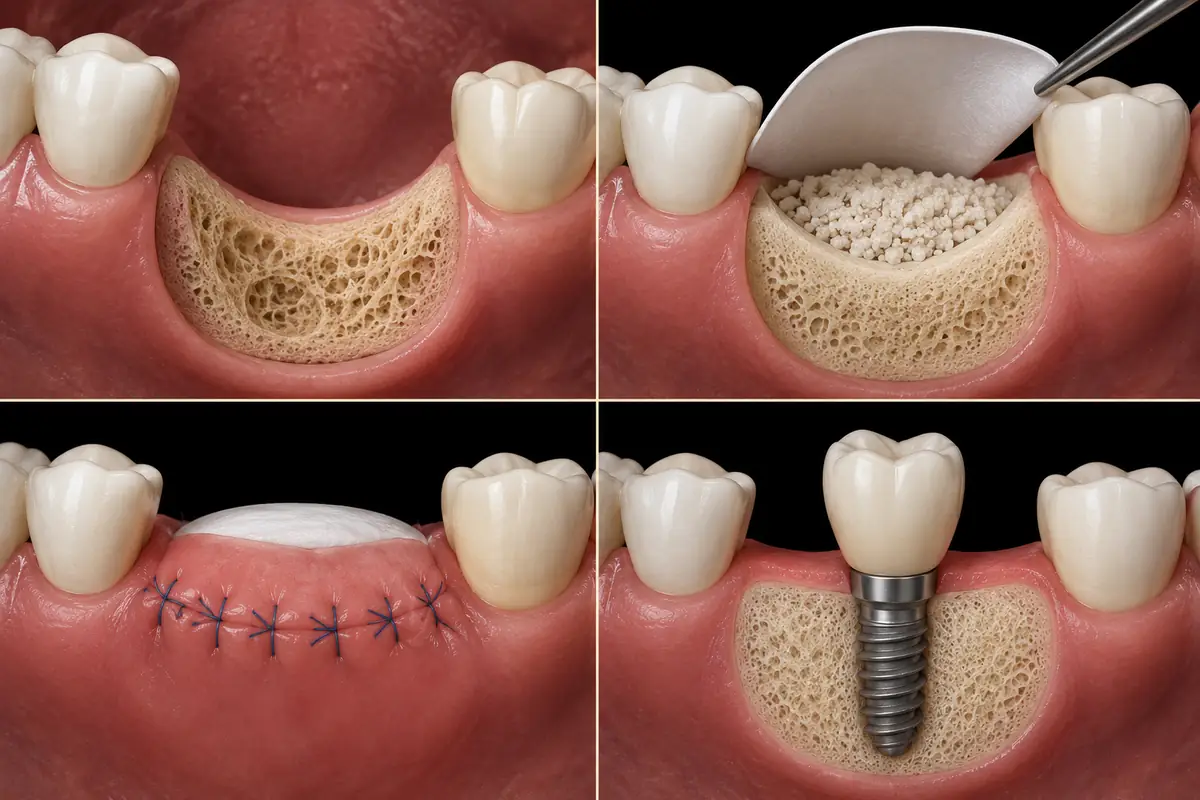
Surgical procedures of the mouth and jaws — from impacted wisdom teeth to bone grafting before implants.
Oral and maxillofacial surgery covers the procedures that go beyond routine dentistry: teeth that are impacted in the bone, roots that cannot be removed with forceps, cysts, infections at the root tip, and rebuilding bone before an implant.
Not ready to book? Chat with our team on WhatsApp
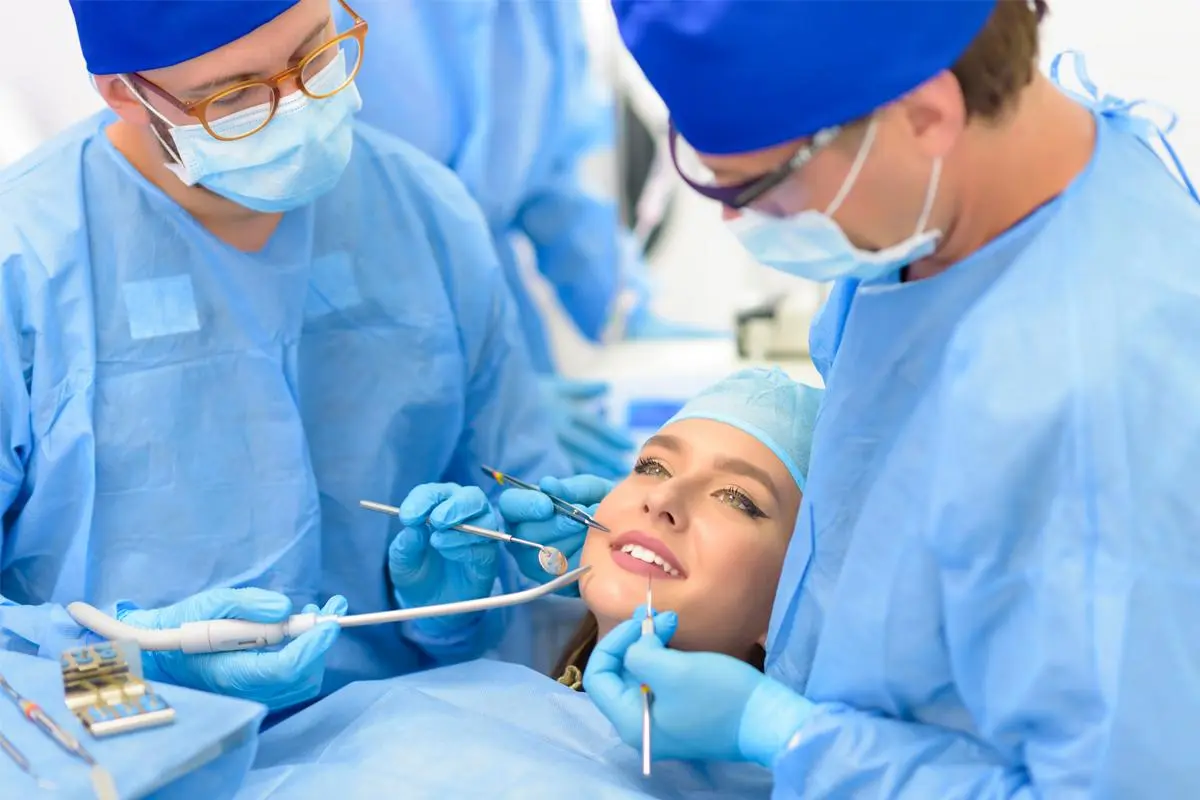
Every case starts with imaging. A panoramic X-ray shows the general picture; a 3D cone-beam scan shows the exact relationship between a tooth root and the inferior alveolar nerve or the maxillary sinus, which is what determines how the procedure is planned.
Panoramic and, where indicated, cone-beam imaging to map the roots, the nerve canal and the sinus floor before any incision.
Local anaesthesia is standard. Sedation is available for anxious patients or longer procedures, arranged in advance.
A small flap is raised where necessary, the tooth or lesion is removed with as little bone removal as possible, and the site is cleaned.
The site is sutured, written aftercare instructions are given, and you are reviewed within about a week.
No. A wisdom tooth that is fully erupted, cleanable and not causing damage can be left and monitored. The decision is made from the radiograph and the clinical picture.
Most people are comfortable within three to five days. Sutures, if not self-dissolving, are removed after about a week.
For lower wisdom teeth close to the nerve canal there is a small risk of temporary altered sensation. This is exactly why a 3D scan is taken when the roots sit near the canal.
This page is general information, not a diagnosis. Treatment planning is only possible after a clinical examination and radiographs at the clinic.

Sent via WhatsApp.
By clicking Send, your information will be converted into a WhatsApp message.
Your personal data is used solely for appointment purposes (GDPR/KVKK).
 Get Directions