Treatments
Cleaning and sealing the inside of a tooth whose nerve has become inflamed or infected — so the tooth can stay.
Inside every tooth is a soft tissue containing nerves and blood vessels. When deep decay, a crack or trauma lets bacteria reach it, the tissue becomes inflamed and then infected. That is what causes throbbing pain, sensitivity to heat, or an abscess.
Not ready to book? Chat with our team on WhatsApp
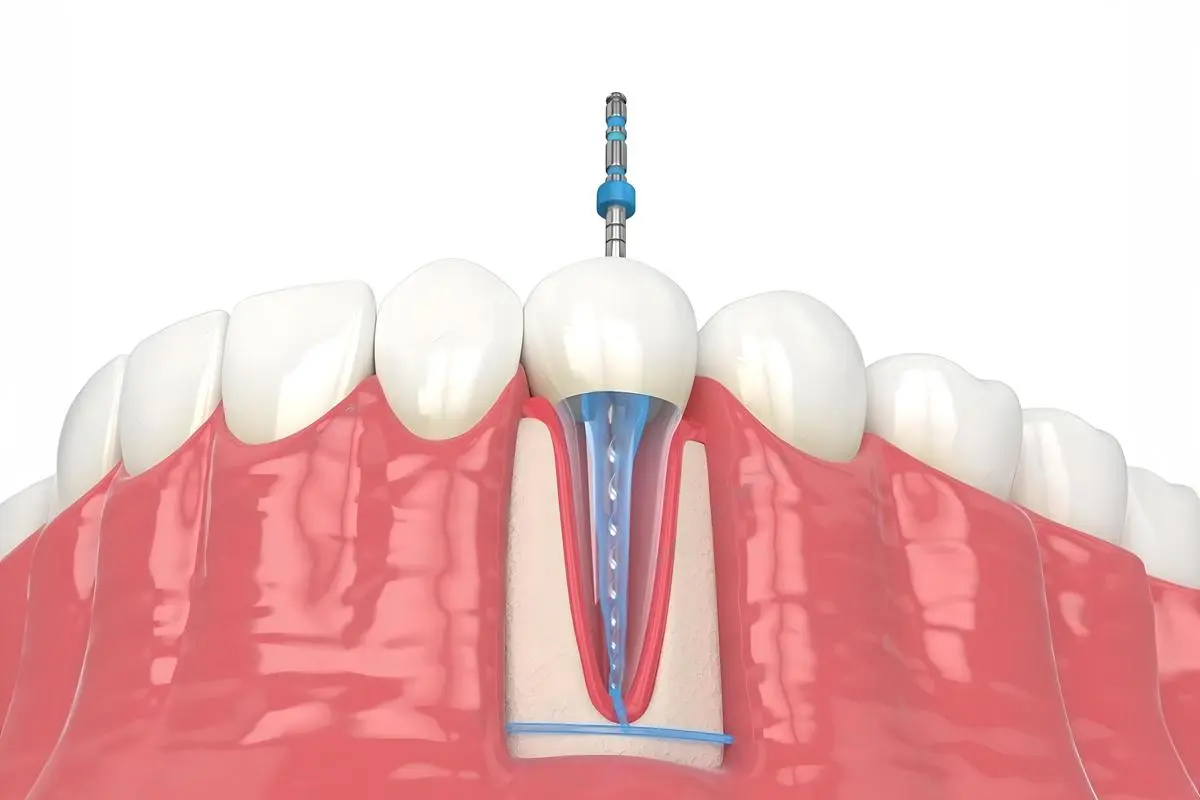
Root canal treatment removes that tissue, shapes and disinfects the canals, and seals them. The tooth stays in place and continues to function. Without it, the alternative is usually extraction.
Vitality and percussion tests plus a periapical radiograph to confirm which tooth is involved and whether there is infection at the root tip.
The tooth is anaesthetised and isolated with a rubber dam, so the canals stay free of saliva throughout.
The canals are cleaned with rotary files, their length confirmed with an apex locator and radiographs, and irrigated with disinfecting solutions.
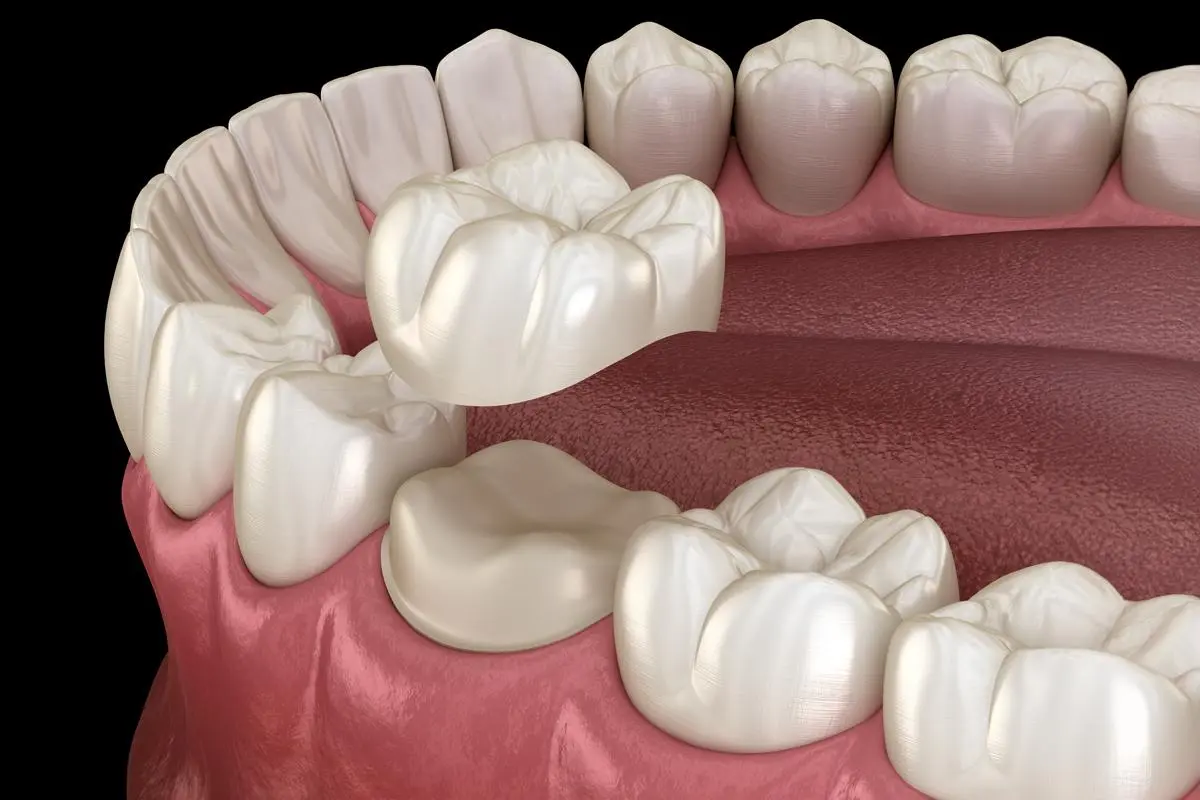
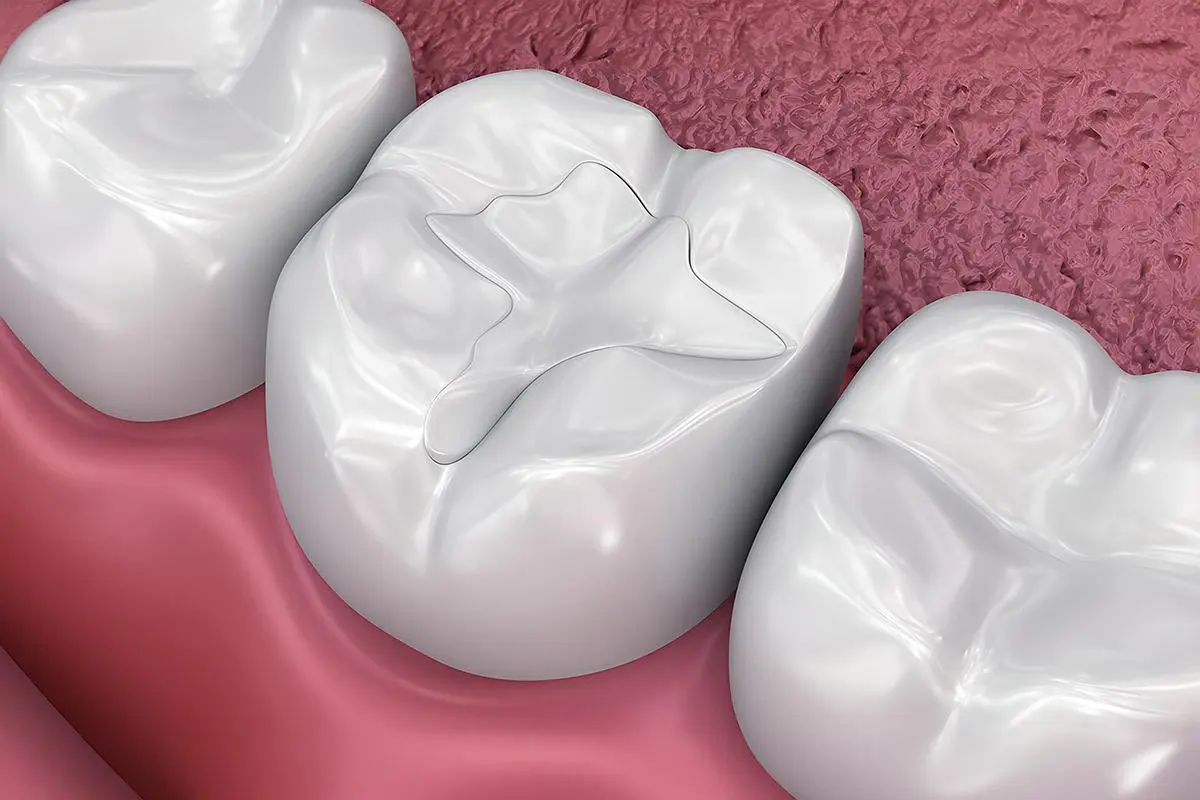
The canals are sealed, and the tooth is restored — often with a crown or onlay, because a root-treated back tooth is more prone to fracture.
The treatment is done under anaesthesia. In most cases the pain that brought you in is far worse than the procedure itself.
A back tooth that has lost its nerve and a lot of structure fractures more easily. A crown or onlay protects the remaining walls and is usually what keeps the tooth long term.
It can, if bacteria re-enter through a leaking filling or a new cavity. Retreatment or apical surgery is often still possible.
This page is general information, not a diagnosis. Treatment planning is only possible after a clinical examination and radiographs at the clinic.

Sent via WhatsApp.
By clicking Send, your information will be converted into a WhatsApp message.
Your personal data is used solely for appointment purposes (GDPR/KVKK).
 Get Directions